Source vintage distressed cargo sweatpants for Gym, Streetwear, and Casual Wear
Compare 30 listings of vintage distressed cargo sweatpants featuring 100% cotton canvas, heavyweight fabric, and custom embroidery options. Buyers can evaluate straight fits, mid-waist designs, and seasonal versatility for men, women, and children across global suppliers.
Key considerations
Products List
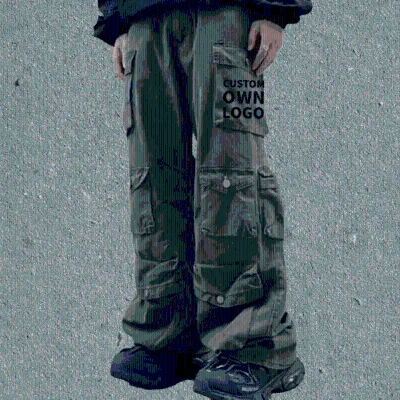


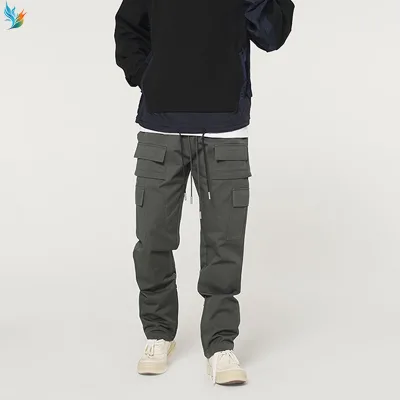
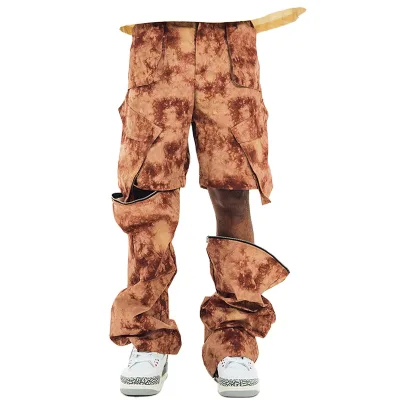
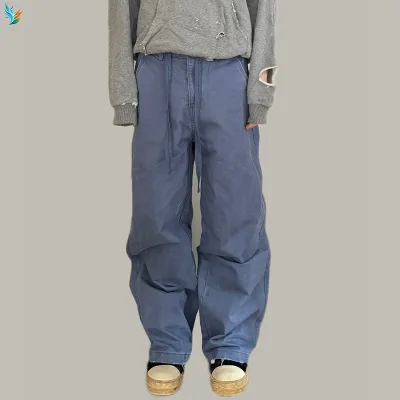
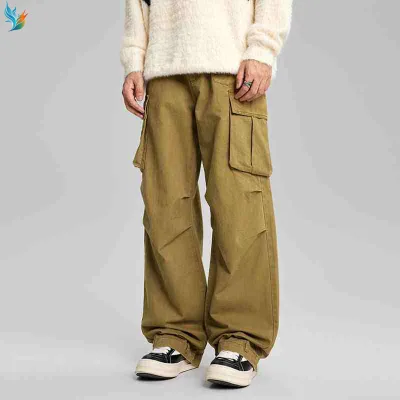


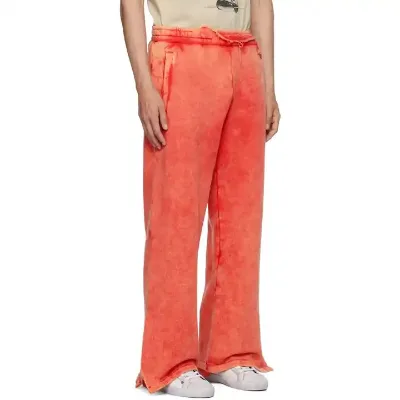


Comprehensive Sourcing Guide
Strategic Sourcing Guide for Vintage Distressed Cargo Sweatpants
The global B2B market for casual athletic wear has seen a significant surge in demand for hybrid garments that blend the comfort of traditional sweatpants with the rugged aesthetic of cargo utility wear. Buyers searching for "vintage distressed cargo sweatpants" are often looking for products that feature specific textural qualities, such as a worn-in look, combined with functional storage solutions. Based on current market observations, successful procurement in this category requires a deep understanding of material composition, manufacturing techniques, and the specific customization capabilities of suppliers. This guide provides a structured approach to sourcing these items, focusing on the technical realities of production and the verification of supplier claims to ensure a successful supply chain partnership.
Understanding Material Composition and Fabric Weight
The foundation of any high-quality vintage distressed cargo sweatpants lies in the selection of the base material. In the current supply landscape, two primary material categories dominate this niche: 100% cotton canvas and stretch denim. The choice between these materials dictates the garment's drape, durability, and the feasibility of distressing techniques.
For buyers seeking a heavy, structured look often associated with "vintage" aesthetics, 100% cotton canvas is a prevalent option. This fabric type is noted for its substantial weight, often reaching 400 grams per square meter. This heavyweight specification is critical for achieving the desired silhouette and ensuring the garment maintains its shape after repeated washing cycles. The canvas weave provides a sturdy surface that can withstand the mechanical processes required to create a distressed finish without compromising structural integrity.
Conversely, stretch denim offers a different profile, prioritizing mobility and a softer hand feel. This material is often preferred for "gym fitness jogger" styles where flexibility is paramount. However, sourcing stretch denim for a vintage distressed look requires careful scrutiny of the denim's composition to ensure it does not lose its elasticity during the distressing process. The fabric weight for denim options may vary, but buyers should verify that the weight is sufficient to support the heavy-duty pockets and reinforcements typical of cargo designs.
| Material Type | Typical Weight | Key Characteristic | Best Use Case |
|---|---|---|---|
| 100% Cotton Canvas | ~400g | High durability, structured drape | Heavyweight casual, streetwear |
| Stretch Denim | Variable | High elasticity, soft hand feel | Athletic wear, active lifestyle |
When evaluating suppliers, it is essential to confirm the exact material composition. Claims of "100% Cotton" must be backed by material test reports, as blends can alter the distressing outcome. Furthermore, the fabric type should be explicitly stated as "Canvas" or "Denim" to avoid ambiguity, as generic terms like "cotton" can encompass a wide range of weaves with vastly different performance characteristics.
Technical Specifications and Manufacturing Techniques
The "vintage distressed" aesthetic is not merely a visual style but a result of specific technical processes and manufacturing techniques. Buyers must understand the interplay between the fabric, the washing process, and the decorative methods employed.
The distressing process typically involves a "distressed" wash, which may include sanding, bleaching, or enzymatic treatments to create fading and wear patterns. This process is often applied to garments made from heavyweight cotton or denim to achieve the desired vintage look. The "weaving method" is another critical technical specification. While some products are described as "knitted," which is common for sweatpants, the specific mention of "canvas" suggests a woven structure. This distinction is vital because woven canvas behaves differently under stress and during the distressing process compared to knitted fabrics.
Decoration plays a significant role in defining the cargo style. Common techniques include "embroidery" and "puff printing." Embroidery, particularly "machine-embroidered" processes, adds a premium feel and durability to logos and patches. Puff printing offers a raised texture that can enhance the vintage aesthetic. The placement of these decorations is also a technical consideration; logos are frequently positioned on the "waist," "left leg," and "right leg." Buyers should verify that the supplier has the capability to execute these specific placements with high precision.
Additionally, the "closure type" is a functional specification that impacts the garment's utility. "Drawstring" closures are standard for this category, allowing for an adjustable fit. The "fit type" is generally described as "regular," though variations like "skinny," "slim," "loose," or "straight" are available. The "length" can range from short to long, with options for "3/4" or custom lengths. Understanding these variations allows buyers to tailor the product to specific market segments, whether targeting "men," "women," "boys," or "girls."
Customization Capabilities and Branding Options
One of the primary drivers for sourcing vintage distressed cargo sweatpants in the B2B sector is the ability to customize the product for private label or brand-specific requirements. The supply chain for this category is highly flexible regarding branding elements.
Suppliers in this space typically offer "OEM Service," allowing brands to modify the product from the ground up. Customization is available for the "logo," which can be applied via embroidery or printing. The "logo position" is a key area for customization, with options to place branding on the waist, left leg, or right leg. Beyond the logo, "custom labels" and "custom tags" are standard offerings, enabling brands to control the narrative and quality perception of the final product.
Packaging is another critical aspect of customization. While standard packing might involve a single item in a polybag, many suppliers offer "custom bags" to align with brand sustainability goals or aesthetic preferences. The "prod_packing" specification often notes "1PC/Polybag" as a baseline, but the ability to upgrade to custom packaging is a significant value-add.
Color customization is also a major factor. The "dyed color" can be specified, with "Indigo Blue" being a common choice for denim-based products. However, the "color" attribute is often listed as "Custom," indicating that suppliers can match specific brand color palettes. This flexibility extends to the "pattern," which can be "solid" or feature specific designs. The "style" is generally "casual," but the customization options allow for a wide range of interpretations within this category.
Compliance, Standards, and Quality Verification
When sourcing from international markets, particularly from regions like Jiangxi, China, buyers must prioritize compliance and quality verification. While specific certification names are not universally mandated for all products, buyers should verify that suppliers adhere to relevant safety and quality standards.
The "place of origin" is a critical piece of information for logistics and compliance. Products originating from Jiangxi, China, are subject to specific export regulations and quality control protocols. Buyers should request documentation that confirms the product meets the "prod_standard" specifications, which may include dimensions such as 60x40x40cm for packaging or specific product model numbers like "012022-12-21" or "A2023042502."
Quality control should focus on the consistency of the distressing process. Since the "wash" is a critical step, buyers must ensure that the distressing is uniform across all units. Variations in the "distressed" look can lead to customer dissatisfaction. Additionally, the "fabric weight" must be consistent; a deviation from the specified 400 grams for canvas can indicate a change in material quality or a cost-cutting measure.
Buyers should also verify the "feature" claims, such as "breathable" and "eco-friendly." While these are common marketing terms, they should be supported by material specifications. For instance, the breathability of a 400g canvas garment depends on the weave density and the finishing treatments used. Similarly, "eco-friendly" claims should be backed by evidence of sustainable sourcing or production methods, rather than being accepted as a standalone assertion.
Cost Drivers and Pricing Dynamics
The pricing of vintage distressed cargo sweatpants is influenced by several key factors, including material cost, labor intensity, and customization complexity. The observed price range in the market is typically between $3.68 and $20.00 USD, but this wide range reflects significant variations in quality and specification.
Material cost is a primary driver. 100% cotton canvas and stretch denim are generally more expensive than synthetic blends, contributing to the higher end of the price spectrum. The "heavyweight" specification of 400 grams also adds to the material cost. Labor intensity is another significant factor; the distressing process, embroidery, and custom printing require skilled labor and additional time, which increases the unit cost.
Customization is a major cost driver. Products with "custom logos," "custom labels," and "custom tags" will command a higher price than off-the-shelf items. The "MOQ" (Minimum Order Quantity) also plays a role in pricing. The observed MOQ range is between 2 and 5000 units. Higher MOQs typically result in lower unit costs due to economies of scale, while lower MOQs are suitable for testing the market but come with a premium per unit.
Lead time is another consideration. While some suppliers may offer "7 days sample order lead time," this is not universally supported. Buyers should verify the actual lead time for production, as the distressing and customization processes can extend the timeline. The "season" of the product, which can be "Spring," "Summer," "Autumn," or "Winter," also affects demand and pricing, with peak seasons potentially leading to higher costs or longer lead times.
Supplier Evaluation and Long-Term Procurement Strategy
Selecting the right supplier is crucial for the long-term success of a vintage distressed cargo sweatpants line. Buyers should evaluate suppliers based on their technical capabilities, consistency, and communication.
Technical capabilities should be assessed through sample requests. Buyers should request samples that demonstrate the "weaving method," "fabric weight," and "distressed wash" quality. The ability to produce "machine-embroidered" details and "puff printing" should be verified. Suppliers that can provide samples matching the "prod_model" specifications with high fidelity are more likely to deliver consistent results at scale.
Consistency is key in the B2B relationship. Buyers should look for suppliers who have a track record of maintaining quality across large batches. The "Age Group" specification, which can range from "Children/Adult," indicates the versatility of the supplier's production lines. A supplier capable of handling multiple age groups and gender specifications is more likely to be a reliable long-term partner.
Communication and transparency are also vital. Buyers should ensure that the supplier is willing to provide detailed information about the "place of origin," "material," and "process." The ability to discuss "customization" options openly and provide clear timelines for production and shipping is a sign of a professional supplier.
Long-term procurement considerations include building a relationship with the supplier that allows for continuous improvement. As market trends shift, the ability to adapt the "style," "fit," and "features" of the product will be essential. Suppliers who are flexible and responsive to feedback are more likely to help buyers navigate the dynamic fashion landscape.
In conclusion, sourcing vintage distressed cargo sweatpants requires a meticulous approach that balances aesthetic desires with technical realities. By focusing on material composition, manufacturing techniques, customization capabilities, and supplier evaluation, buyers can secure a supply chain that delivers high-quality products that meet the demands of the modern market. The key is to verify all claims, understand the cost drivers, and build a partnership based on transparency and consistency.
FAQs
What materials are used for vintage distressed cargo sweatpants?
These garments typically use 100% cotton canvas or stretch denim. The canvas option often features a heavyweight specification of 400 grams to ensure durability and a structured drape suitable for a vintage aesthetic.
Can suppliers offer custom logos and labels on these items?
Yes, OEM service is available for custom logos, labels, and tags. Buyers can specify logo positions on the waist, left leg, or right leg, and request custom bags for packaging to align with brand requirements.
Which customization options are available for fabric weight and thickness?
Fabric weight can be customized, with heavy options like 400 grams being common for canvas styles. Thickness is also listed as customizable, allowing buyers to select specific specifications to match their desired garment silhouette.
How do suppliers handle the distressed wash and decoration techniques?
Suppliers use a distressed wash process to create the vintage look, often combined with machine-embroidered details or puff printing. These decorative methods are applied to the fabric to enhance the rugged aesthetic while maintaining structural integrity.
What are the typical MOQ and pricing ranges for these products?
The minimum order quantity ranges from 2 to 5000 units depending on the supplier and customization level. Prices typically fall between 3.68 and 20 USD, influenced by material costs, labor intensity, and order volume.
Where are these products manufactured and what is the origin location?
The primary place of origin for these products is Jiangxi, China. Buyers should verify the specific product origin and standard dimensions, such as 60x40x40cm for packaging, when evaluating potential suppliers in this region.
Can buyers order samples and what is the lead time?
Sample orders are generally available, but a 7-day sample order lead time is not universally supported. Buyers must verify specific lead times with suppliers, as the distressing and customization processes can extend the production timeline.